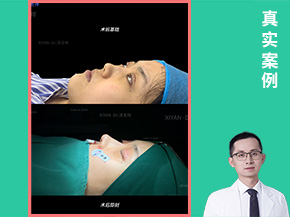
Case 4

Case 4

Nasal Deformity Correction Case Showcase: This column showcases Dr. Tang Yuxiang's diagnostic and treatment philosophy in various types of nasal deformities (such as saddle nose, hump nose, hooked nose, upturned nose, wide nose, etc.). The key to nasal deformity correction lies in identifying the cause and anatomical abnormalities: whether it is bony, cartilage, or soft tissue issues, and then improves them through osteotomy, graft reconstruction, or soft tissue adjustment. These surgeries require high anatomical understanding and precise sculpting precision. Each applicant's deformity type and degree are different, so correction plans must be based on an in-person consultation and evaluation. This column is for science popularization purposes; results may vary from person to person and do not constitute a guarantee of efficacy. Medical science popularization cannot replace in-person consultation and diagnosis; please choose a reputable medical institution and have evaluation by a qualified doctor. ...
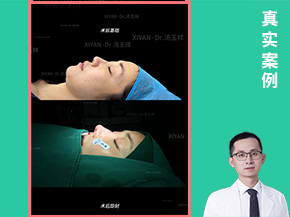
Case show 705
Case 3

Case 3

Autologous Cartilage Nose Case Showcase: This column focuses on Dr. Tang Yuxiang's diagnostic and treatment approach in autologous cartilage rhinoplasty (ear cartilage, nasal septum, rib cartilage). These solutions are often used for nasal tip shaping, support reconstruction, and challenging nasal shapes. Autologous cartilage has advantages such as good compatibility and low risk of rejection, especially suitable for those who are concerned about implants or need nasal restoration; However, rib removal brings additional wounds and recovery, so pros and cons must be weighed. Ear cartilage volume is limited and mostly used for the tip of the nose; Costal cartilage provides strong support, suitable for large-span reconstruction. Whether autologous cartilage is chosen depends on the nasal foundation and repair needs, and requires an in-person evaluation. This column is for popular science demonstration, and results vary from person to person. Medical science cannot replace in-person consultation and diagnosis; please choose a reputable medical institution and have evaluation by a qualified doctor. ...
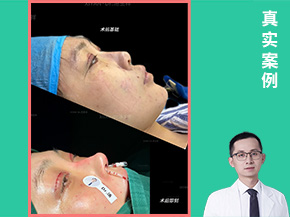
Case show 610
Case 2

Case 2

Rhinoplasty and Comprehensive Case Studies This column showcases Dr. Tang Yuxiang's diagnostic and treatment philosophy in rhinoplasty and comprehensive rhinoplasty, including prosthetic rhinoplasty, autologous cartilage rhinoplasty, and multi-site combined adjustment of the nose. Comprehensive rhinoplasty emphasizes overall coordination rather than single lifting: doctors will comprehensively consider the nasal frontal angle, nasal tip proportions, nostrils width, and mid-face proportions before deciding on material and surgical combinations. Options such as rib nose, auricular cartilage nose, and ultra-rib nose each have their own applicable scenarios. The specific surgical method should be determined after an in-person consultation based on nasal foundation, skin thickness, and aesthetic preferences. This column is for science popularization purposes; results vary from person to person and do not constitute a treatment promise. Medical science popularization cannot replace in-person consultation and diagnosis; please choose a reputable medical institution and have evaluation by a qualified doctor. ...
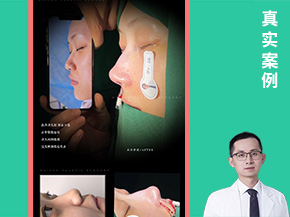
Case show 629
Case 1

Case 1

Nasal Restoration Case Showcase This column summarizes Dr. Tang Yuxiang's diagnostic and treatment approaches and typical surgical directions in the field of nasal restoration, covering common conditions such as contracture nasal contracture, crooked nose, prosthesis displacement, capsular contracture, and dissatisfaction with the shape. Nasal restoration is usually more difficult than initial surgery, with the core being to first assess the existing nasal tissue conditions, scar status, and skin tension, and then develop plans for release, support reconstruction, or material replacement. The repair paths vary greatly depending on the basis and cannot be applied to a single template. It should be noted that each patient's nasal condition, surgical history, and expectations differ; the specific plan must be based on the actual assessment during the consultation. This column is for science popularization only, does not replace a doctor's consultation, nor does it constitute a promise of efficacy. Results vary from person to person; medical science cannot replace professional diagnosis. Please choose a reputable medical institution and have qualified doctors evaluate your condition. ...
Case show 656